Elden Ring: Shadow of the Erdtree - Is the DLC Worth the Hype?

What Does Shadow of the Erdtree Add to Elden Ring?
Shadow of the Erdtree introduces a sprawling new realm called the Land of Shadow, roughly the size of Limgrave from the base game but far denser with content. The expansion delivers 15-20 hours of main story content plus another 20+ hours for completionists chasing every boss and secret. This post breaks down the technical performance, the new weapon archetypes, and whether the difficulty spike justifies the $40 price tag. If you've already beaten Malenia and wondered if there's any challenge left worth the time investment, the answer depends entirely on what hardware you're running and how much patience you have for FromSoftware's particular brand of frame pacing issues.
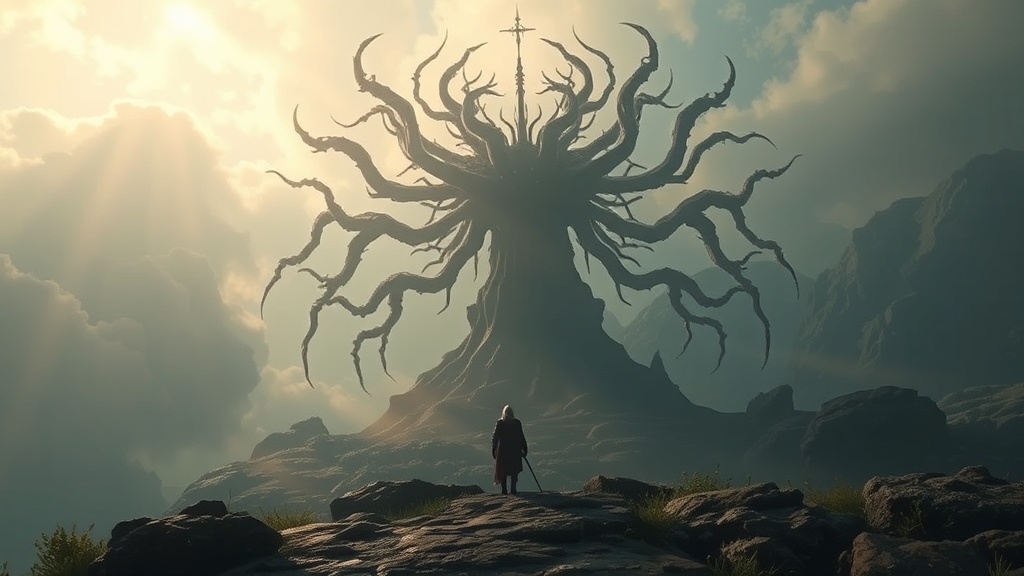
The Land of Shadow isn't just a reskin of existing zones. It's darker (literally), with verticality that rivals the best legacy dungeons from the base game. You'll traverse ruined castles, poison swamps (yes, another one), and shadow-infested forests where visibility drops to near-zero without a torch. The atmosphere works. The art direction remains top-tier. That said, the technical execution doesn't always match the artistic ambition.
Does Shadow of the Erdtree Have Performance Problems?
Yes — across all platforms. The expansion suffers from frame rate drops, stuttering, and inconsistent performance that can tank the experience during critical boss encounters.
FromSoftware built this DLC on the same engine as the base game, and it shows. The performance issues that plagued Elden Ring at launch — shader compilation stutter, traversal hitching in dense areas, and sub-60fps drops even on high-end hardware — remain largely unaddressed. Shadow of the Erdtree pushes the engine harder with more particle effects, larger draw distances, and more aggressive enemy AI.
On PC, the experience varies wildly based on your setup. Here's what the testing shows:
| Platform/Hardware | Average FPS (1080p High) | 1% Lows | Notable Issues |
|---|---|---|---|
| RTX 4090 + 7800X3D | 58-60 | 42 | Stutter during boss phase transitions |
| RTX 3080 + 5600X | 48-55 | 31 | Frequent drops in Shadow Keep |
| RX 6800 XT + 5800X | 45-52 | 28 | Shader stutter in new areas |
| PS5 Performance Mode | 45-60 (unlocked) | 38 | Inconsistent frame pacing |
| Xbox Series X | 50-60 | 40 | Less stutter than PS5 |
The shader compilation stutter hits hardest when entering new areas for the first time. On PC, this manifests as 200-500ms hitches as the engine builds shader caches. Consoles fare better here but trade it for inconsistent frame pacing that makes the unlocked framerate on PS5 feel worse than a locked 45fps would.
Digital Foundry's technical analysis confirms the engine is CPU-bound in most scenarios — upgrading your GPU won't save you if you're running an older processor. The 7800X3D shines here, with its massive L3 cache reducing stutter significantly compared to Intel equivalents. Worth noting: enabling DLSS or FSR introduces noticeable input latency that can get you killed during parry windows.
What's New in Combat and Build Variety?
Eight new weapon categories, a revamped upgrade system using Scadutree Fragments, and martial arts-style attacks that fundamentally change melee combat timing.
The standouts are the Backhand Blade (a reverse-grip curved sword with unique dodge animations), Hand-to-Hand Arts (fist weapons that finally compete with swords), and Perfume Bottles (area denial tools with surprising utility in PvP). Each archetype comes with its own moveset — not just reskinned R1/R2 chains — and several new weapon skills that rival the best ashes of war from the base game.
The Scadutree Fragment system replaces traditional rune farming for progression. Collecting these fragments increases attack power and damage negation in the Land of Shadow only. Here's the thing — this mechanic effectively gates content. Skip the exploration, and bosses become damage sponges that one-shot you. Engage with the collectibles, and the difficulty curve normalizes.
Some players (understandably) hate this. It forces a specific playstyle. The counterargument: the DLC rewards thorough exploration in ways the base game sometimes forgot to. Secret walls hide entire dungeon wings. NPC questlines intertwine in unexpected ways. The FromSoftware design philosophy of "show, don't tell" remains intact — maybe too intact, given how easy it is to miss critical quest triggers.
For spellcasters, new Incantations and Sorceries expand build options significantly. The Shadow Sunflower Blossom sorcery deals massive AOE damage at the cost of 38 FP. Incantations like Heilang, the Fire Wolf summon a spirit companion that distracts bosses long enough to land charged attacks. Faith builds finally get tools that don't require standing still for three seconds to cast.
How Hard Is Shadow of the Erdtree Compared to the Base Game?
Significantly harder — the first DLC boss hits harder than Malenia, and the difficulty escalates from there.
The catch? The difficulty isn't artificial. Bosses have more complex movesets, longer combos, and stricter dodge timing. They punish panic rolling. They read inputs (a longstanding FromSoftware technique that feels cheap until you learn to delay your responses). Messmer the Impaler — the DLC's poster boss — demands perfection. His phase transition fills the arena with flame that deals damage through most shields.
Veterans will adapt. Newer players (those who relied on summons or overleveling for base game completion) will struggle. The expansion assumes you've beaten the base game at least once and understand fundamentals: spacing, stamina management, and learning attack patterns instead of reaction-rolling everything.
That said, the balance isn't perfect. Some encounters feel designed for co-op — the Twin Moon Knight's multi-target aggression makes solo melee builds suffer unnecessarily. Spirit Ashes help, but summoning other players often trivialize encounters due to the boss AI splitting aggression unpredictably.
Is the Shadow of the Erdtree DLC Worth $40?
For players who completed Elden Ring and want a genuine challenge, absolutely. For casual fans who bounced off the base game or relied heavily on external guides and overleveling, probably not.
The value proposition breaks down to content density. You're getting:
- 30+ new boss encounters (including 10 with unique music and cutscenes)
- Over 100 new weapons, armor sets, and talismans
- A complete new legacy dungeon rivaling Stormveil Castle in complexity
- Expanded lore that recontextualizes base game events
- New PvP arena options and invasion mechanics
Compare this to industry standards. Most $70 AAA releases deliver 8-12 hour campaigns with tacked-on multiplayer. Shadow of the Erdtree offers legitimate 40-hour experiences for thorough players. The quality matches the quantity — the final boss ranks among the best in the series for spectacle and mechanical depth.
The problems are technical, not creative. If you can tolerate frame drops during critical moments and don't mind adjusting settings to maintain playability, the content justifies the price. If stutter-induced deaths or inconsistent performance ruins games for you, wait for patches — though FromSoftware's track record suggests major engine fixes aren't coming.
New weapons enable fresh playthroughs of the entire game, not just the DLC. The Hand-to-Hand Arts in particular change how early-game melee feels — viable options beyond the standard Longsword or Uchigatana. Build variety was already Elden Ring's strength; this expansion doubles down on it.
Shadow of the Erdtree is a love letter to the hardcore audience that put 200+ hours into the base game. It's unapologetically difficult, technically rough, and creatively ambitious. The Land of Shadow rewards patience — both in mastering its encounters and in tolerating its performance issues. For the right player, that's exactly what $40 should buy.