The Real AI Revolution in Gaming is in QA, Not Upscaling

The Real AI Revolution in Gaming is in QA, Not Upscaling
Look, the gaming industry in 2026 is obsessed with the wrong kind of AI infrastructure. Every major marketing beat this month has been pushing AI upscaling, frame generation, or cloud-tethered neural rendering. The message from The Suits is clear: Why optimize the base code when we can just generate fake frames to hit 60fps on an RTX 5070?
That’s not innovation. That’s an excuse for shipping technical debt.
But there is a real AI revolution happening in game development right now, and it’s not being advertised on a Steam store page. It’s happening in the QA trenches, and it’s being led by the engineers who actually understand that a stuttering mid-range PC experience is a technical failure, not "art."
As we approach International Women's Day, it’s worth highlighting that some of the most critical work fixing the PC gaming optimization crisis is being driven by female QA architects and rendering engineers. They are building the AI infrastructure that actually matters: automated bottleneck detection.
The Difference Between "Marketing AI" and "Infrastructure AI"
When a publisher talks about AI, they are usually talking about DLSS 3 or FSR 3. These tools were designed to take a stable 60fps and push it to 120fps for high refresh rate monitors. Instead, they are being weaponized by producers to take an unstable 35fps, ignore the CPU bottlenecks causing frame-time spikes, and spit out a muddy 60fps while completely wrecking input latency.
I spent ten years writing bug reports about draw call submission issues that were marked "Won't Fix — Accepted Risk." The problem with manual QA is that by the time a human tester flags a specific stuttering area, the code is already a tangled mess. Tracing a 16.6ms frame-time spike back to a single unoptimized physics thread three months before launch is a nightmare.
"Infrastructure AI" solves this at the pipeline level.
Catching the Stutter Before It Compiles
The most significant tech trend of 2026 isn't on your screen; it's in the Continuous Integration (CI) pipeline.
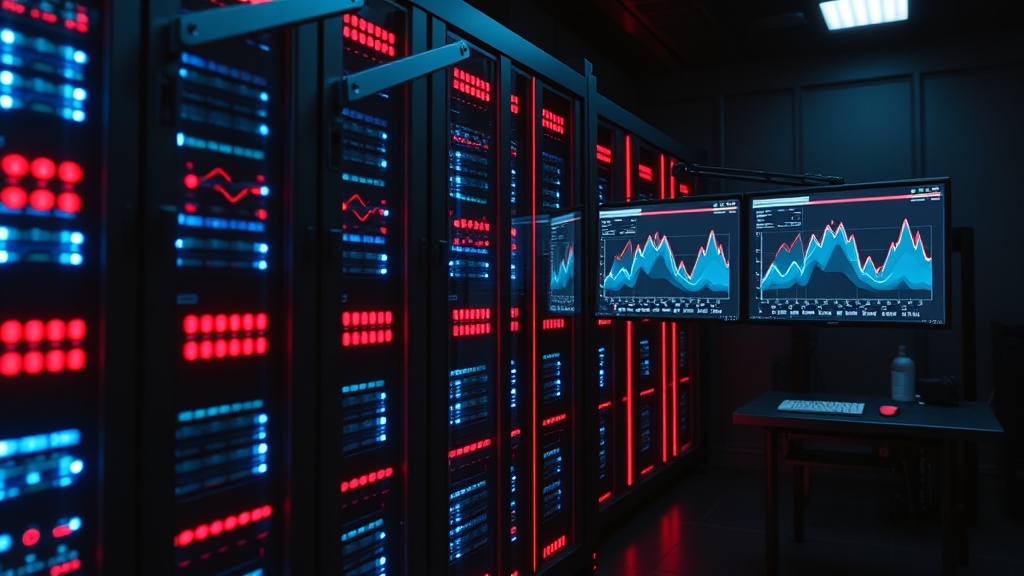
Led by female technical directors pushing back against crunch culture, modern studios are finally deploying machine learning models across their automated testing servers. These tools don't generate fake frames. They ingest thousands of hours of automated gameplay telemetry every night, analyzing CPU thread saturation, memory allocation, and GPU draw calls.
When a junior developer commits code that accidentally single-threads an asset streaming loop, the infrastructure AI flags the resulting frame-time variance the next morning. It points directly to the commit. The bug never reaches a human QA tester, let alone a player.
This is the optimization infrastructure that studios should have built five years ago.
Why This Actually Saves Money
The old model—shipping a broken game, eating the "Mostly Negative" Steam reviews, and patching it over six months—is no longer financially viable. The 2026 consumer is tired of paying $70 to beta test software.
The QA architects pioneering these AI testing pipelines understand that finding a bottleneck at the engine level costs pennies compared to finding it post-launch. By automating the hardest part of performance profiling, they free up rendering engineers to do what they do best: actual optimization.
The Verdict
If a game requires AI upscaling to hit a basic performance floor on mid-range hardware, it didn't use AI correctly.
The studios that will survive this development cycle aren't the ones outsourcing their optimization to Nvidia's hardware. They are the ones investing in backend AI infrastructure that forces their code to be clean before it ever ships.
Next time you see a game launch with a rock-solid frame-time graph, don't thank the hardware. Thank the QA engineers who built the infrastructure to catch the stutter before you did.