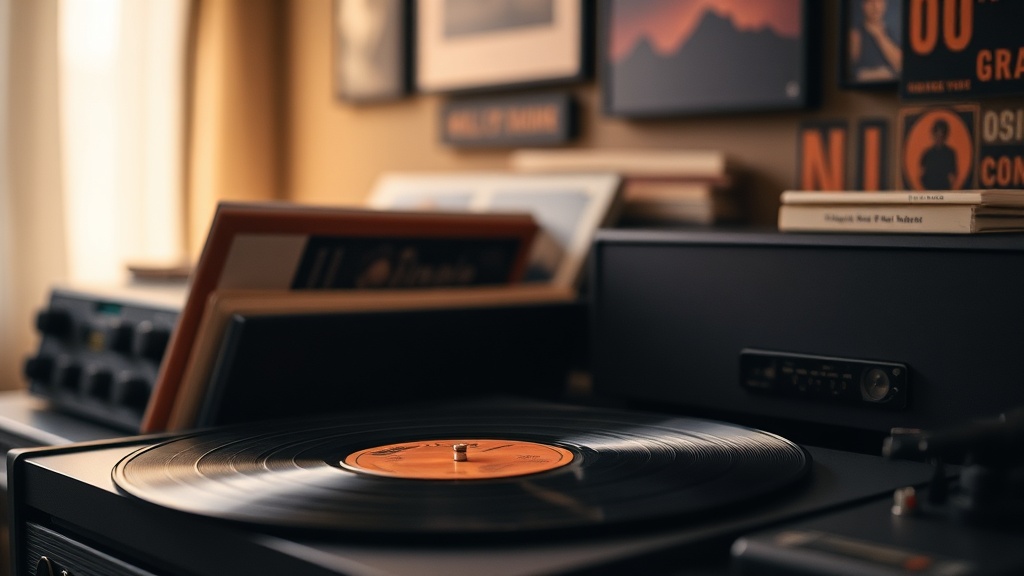
Why You Should Start a Dedicated Vinyl Collection

Superior Album Artwork and Tangibility
The Warmth of Analog Sound
Intentional Listening Experiences
Building a Lasting Physical Library
A player sits down to enjoy a high-fidelity soundtrack during a long gaming session, only to realize their digital streaming service has throttled the bitrate or shifted to a low-quality compression algorithm due to bandwidth congestion. The immersion breaks instantly. This post explains why transitioning from purely digital consumption to a dedicated vinyl collection provides a tactile, high-fidelity alternative that complements a high-end gaming or workstation setup. We will cover the technical advantages of analog audio, the importance of physical ownership in a subscription-based economy, and how to integrate these collections into your existing entertainment space.
The Technical Advantage of Analog Audio
Digital audio, while incredibly convenient, is fundamentally a series of snapshots. Even at high bitrates like 24-bit/192kHz, you are listening to a mathematical approximation of a sound wave. Vinyl records, conversely, are a continuous analog representation of the audio signal. When you play a record through a high-quality turntable, the needle follows the physical grooves, translating physical movement directly into electrical impulses. This lack of digital quantization can result in a "warmer" sound profile that many audiophiles prefer for long-form listening.
For gamers and tech enthusiasts, this isn't just about nostalgia; it is about the hardware. A high-quality setup—incorporating a belt-driven turntable like the Pro-Ject Debut Carbon and a decent phono preamp—offers a different frequency response than standard compressed MP3s or low-bitrate Spotify streams. While digital is superior for measuring precision, analog often excels in the mid-range and low-end texture, making it ideal for listening to expansive, orchestral game soundtracks like those found in The Elder Scrolls V: Skyrim or God of War.
Physicality and the Ritual of Listening
Modern gaming is often a high-stress, high-input activity. We are constantly managing mouse DPI, keyboard macros, and frame timing. Vinyl forces a change in pace. The process of removing the record from the sleeve, cleaning the surface with a carbon fiber brush, and carefully dropping the tonearm creates a deliberate ritual. This tactile engagement acts as a mental "cool down" period. If you are looking for ways to transition out of a high-intensity competitive match, this ritual is a perfect companion to cozy games that help you decompress.
Protecting Your Media from Digital Obsolescence
We live in an era of "digital decay." Licenses for digital soundtracks can be revoked, and streaming services frequently remove albums due to licensing disputes. If you rely solely on a digital library, you do not truly own your music; you are merely renting access to it. A vinyl collection is a physical archive that remains functional regardless of internet connectivity or service availability. Much like the push to start a digital archive of your physical media, building a vinyl collection is a hedge against the volatility of the digital marketplace.
When you purchase a vinyl record, you are purchasing a permanent asset. A well-maintained copy of a classic soundtrack, such as the Final Fantasy VII original score, will still play perfectly twenty years from now, provided you maintain the hardware. This level of permanence is something a cloud-based library simply cannot guarantee.
The Aesthetic Value of the Collection
For those of us who spend a significant amount of time building and perfecting our desk setups, the visual component of our gear matters. A gaming setup is often a collection of high-end peripherals, RGB lighting, and custom cables. A vinyl collection adds a layer of sophisticated, analog texture to your room. Large-format cover art provides a visual centerpiece that a small desktop icon never could.
Consider the following elements when integrating vinyl into your setup:
- Display Shelving: Use modular shelving to showcase high-impact cover art from your favorite game soundtracks or artists.
- Cable Management: Analog equipment requires specific cabling. Ensure your turntable's RCA cables are shielded to prevent electromagnetic interference from your PC's power supply or monitor.
- Lighting: Use warm, low-intensity LED strips to highlight your collection without creating glare on the record surface.
Essential Hardware for Beginners
Do not fall into the trap of buying a "suitcase" player. As someone who has repaired countless damaged components, I can tell you that the cheap, plastic-bodied players found in big-box stores will ruin your records. They often use heavy tracking force and lack proper suspension, which leads to permanent groove damage. If you want to start a collection, invest in entry-level professional gear.
The Turntable
Look for a turntable with an adjustable counterweight and a replaceable stylus. The Audio-Technica AT-LP120X is a solid industry standard for beginners. It offers a reliable motor and a build quality that can handle regular use without the technical shortcomings of cheaper alternatives. It provides the stability needed to ensure your playback remains consistent.
The Phono Preamp
The signal coming off a turntable is extremely weak and requires amplification. You can use a turntable with a built-ridden-in preamp, but for better fidelity, an external phono preamp is recommended. This component ensures the signal is properly leveled before it hits your speakers or studio monitors. This is crucial if you are already using high-end audio gear for gaming or music production.
Maintenance Tools
To keep your collection in top shape, you must treat it like any other piece of sensitive hardware. A neglected record is a damaged record. You will need:
- Carbon Fiber Brush: To remove surface dust before every play.
- Anti-Static Solution: To neutralize static buildup that attracts dust.
- Inner and Outer Sleeves: Replace the cheap paper sleeves that come with new records with high-quality polyethylene or rice paper sleeves to prevent scratches.
Integration with Your Existing Audio Setup
If you already own a high-end DAC (Digital-to-Analog Converter) and an amplifier for your gaming setup, adding vinyl is a seamless transition. Most modern desktop amplifiers feature multiple inputs. You can route your PC through your USB interface for low-latency gaming, and switch the input to your turntable's analog connection when you want to switch to a more relaxed, analog listening experience.
This dual-setup approach allows you to optimize your environment for different tasks. Use your digital setup for high-precision tasks like competitive FPS gaming where audio cues and spatial positioning are vital. Use your analog setup for "passive listening"—when you want to sit back, ignore the screen, and actually experience the texture of the music.
The Long-Term Investment
Unlike digital files, which have zero resale or collector value, vinyl is a tangible commodity. Rare pressings of soundtracks or limited edition color variants can actually appreciate in value over time. This turns your hobby from a pure expense into a curated archive. Whether you are collecting the seminal works of Nobuo Uematsu or the latest releases from modern electronic artists, you are building a library that has inherent, lasting value.
Building a vinyl collection requires patience and a willingness to learn the technical nuances of analog playback, but the reward is a more intentional, high-fidelity way to experience the music that defines your favorite media. It is the perfect analog counterbalance to a digital-first lifestyle.